S'abonner

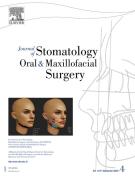
Three-dimensional printing technology for the positioning of the reconstructed auricle in microtia reconstruction - 08/01/25

Doi : 10.1016/j.jormas.2024.102207 
Yiwen Deng, Ben Wang, Qingfang Meng, Peixu Wang, Bo Pan, Lin Lin, Xiaobo Yu , Haiyue Jiang
 Department of Auricular Reconstruction, Plastic Surgery Hospital, Chinese Academy of Medical Sciences and Peking Union Medical College, Beijing, PR China 

Correspondence author at: Department of Auricular Reconstruction, Plastic Surgery Hospital, Chinese Academy of Medical Sciences and Peking Union Medical College, Beijing, PR China.Department of Auricular ReconstructionPlastic Surgery HospitalChinese Academy of Medical Sciences and Peking Union Medical CollegeBeijingPR China
Sous presse. Épreuves corrigées par l'auteur. Disponible en ligne depuis le Wednesday 08 January 2025
Cet article a été publié dans un numéro de la revue, cliquez ici pour y accéder

Abstract

Backgound

The positioning of the reconstructed ear in ear reconstruction is a crucial step that directly affects the surgical outcome.This study employs the residual ear tissue as a reference, in conjunction with three-dimensional(3D)printing model of the normal ear's mirror image corresponding to the microtia ear, to facilitate precise positioning during the reconstruction of the ear.

Methods

This study established a 3D model group and a control group. The 3D model group utilized 3D printed models of residual ear tissue alongside the mirror image of the normal ear for positioning, while the control group relied on the surgeon's subjective observation.The symmetry of the reconstructed ear post-operation was evaluated by two independent physicians who were not involved in the surgical procedure for the patients.The patient was asked to use the Visual Analog Scale (VAS) to assess their satisfaction with ear symmetry and ear shape preoperative and postoperative 12 months.

Results

A total of 84 patients who met the inclusion criteria were enrolled in this study.In the 3D model group, no statistically significant differences were observed between the average distances from the highest and lowest points of the normal ear to the nasal axis and those of the reconstructed ear(P=0.688, P=0.916). Conversely, a statistically significant difference was noted in the control group (P=0.041; P=0.028).The 3D model group exhibited higher total scores on the VAS for patients' objective satisfaction

Conclusion

The reconstructed ear can be accurately positioned by utilizing the residual ear tissue as a reference and employing 3D printing model with mirror technology.

Le texte complet de cet article est disponible en PDF.

Keywords : Microtia, Three-dimensional printing technology, Ear reconstruction, Auricle location


Plan


© 2024  Elsevier Masson SAS. Tous droits réservés.
Ajouter à ma bibliothèque Retirer de ma bibliothèque Imprimer
Export

    Export citations

  • Fichier

  • Contenu

Bienvenue sur EM-consulte, la référence des professionnels de santé.
L’accès au texte intégral de cet article nécessite un abonnement.

Déjà abonné à cette revue ?

Elsevier s'engage à rendre ses eBooks accessibles et à se conformer aux lois applicables. Compte tenu de notre vaste bibliothèque de titres, il existe des cas où rendre un livre électronique entièrement accessible présente des défis uniques et l'inclusion de fonctionnalités complètes pourrait transformer sa nature au point de ne plus servir son objectif principal ou d'entraîner un fardeau disproportionné pour l'éditeur. Par conséquent, l'accessibilité de cet eBook peut être limitée. Voir plus

Mon compte


Plateformes Elsevier Masson

Déclaration CNIL

EM-CONSULTE.COM est déclaré à la CNIL, déclaration n° 1286925.

En application de la loi nº78-17 du 6 janvier 1978 relative à l'informatique, aux fichiers et aux libertés, vous disposez des droits d'opposition (art.26 de la loi), d'accès (art.34 à 38 de la loi), et de rectification (art.36 de la loi) des données vous concernant. Ainsi, vous pouvez exiger que soient rectifiées, complétées, clarifiées, mises à jour ou effacées les informations vous concernant qui sont inexactes, incomplètes, équivoques, périmées ou dont la collecte ou l'utilisation ou la conservation est interdite.
Les informations personnelles concernant les visiteurs de notre site, y compris leur identité, sont confidentielles.
Le responsable du site s'engage sur l'honneur à respecter les conditions légales de confidentialité applicables en France et à ne pas divulguer ces informations à des tiers.


Tout le contenu de ce site: Copyright © 2026 Elsevier, ses concédants de licence et ses contributeurs. Tout les droits sont réservés, y compris ceux relatifs à l'exploration de textes et de données, a la formation en IA et aux technologies similaires. Pour tout contenu en libre accès, les conditions de licence Creative Commons s'appliquent.